Nicola Cirillo, PhD
From molecules to populations
I aim to bridge basic science, patient wellbeing, and population health. My experience spans the entire continuum of health science, from biomedical research to public health and policy, with an emphasis on innovation and translational applications.
MY JOURNEY
The travelling researcher
I have lived, trained and worked in 7 countries spanning 4 continents (a stylised version of my elder son's drawing is below).
I have Bachelors in Dental Medicine (DMD), Specialist training and Doctorate (PhD), 3 Masters (II livello) in Clinical Epidemiology, Oral Surgery, and Orthodontics; 3 Masters (I livello) in Paediatric Neuropsychiatry, Educational Psychology, and Health Research.

My other international qualifications include a Masters in Health Policy (Imperial), a Postgraduate Diploma in Public Health (Manchester), a Graduate Certificate in University Teaching (Melbourne), and certificates in Executive coaching (Cambridge) and Strategy and Competition in Higher Education (Harvard).But this is only a small part of my journey...
2000s - LEARNING
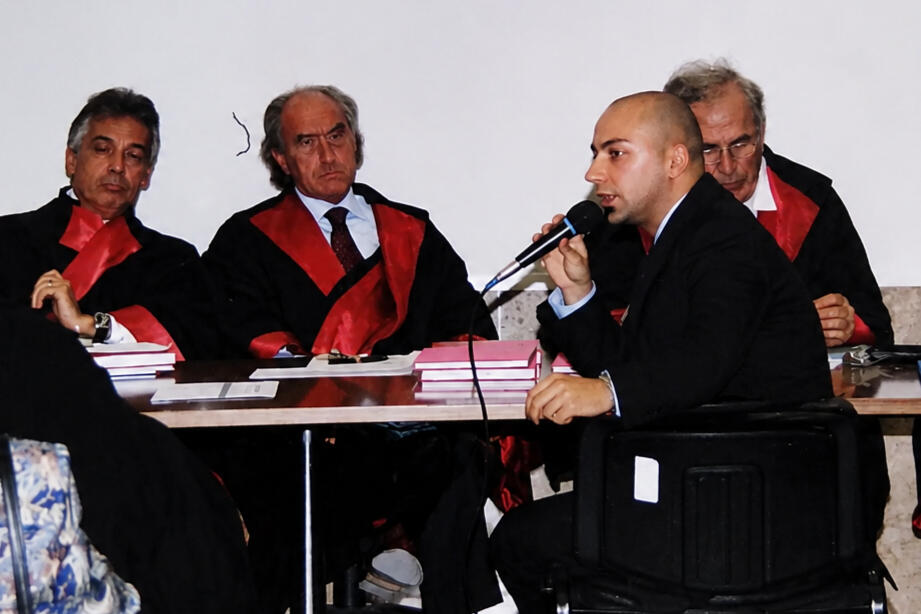
1999-2004. I earned my high school diploma in Caposele, Southern Italy, where I received my school's "Student of the Year" award in recognition of the highest academic achievement in 1999. I went on to study Dentistry and graduated cum laude five years later (photo above). My DMD dissertation, “Verso una migliore comprensione dei meccanismi che causano l’acantolisi nel Pemfigo Volgare” (Towards a Better Understanding of the Mechanisms Causing Acantholysis in Pemphigus Vulgaris), was awarded the "Valerio Margiotta Award" by the Italian Society for Oral Pathology and Medicine (SIPMO) as the best national thesis of the year.
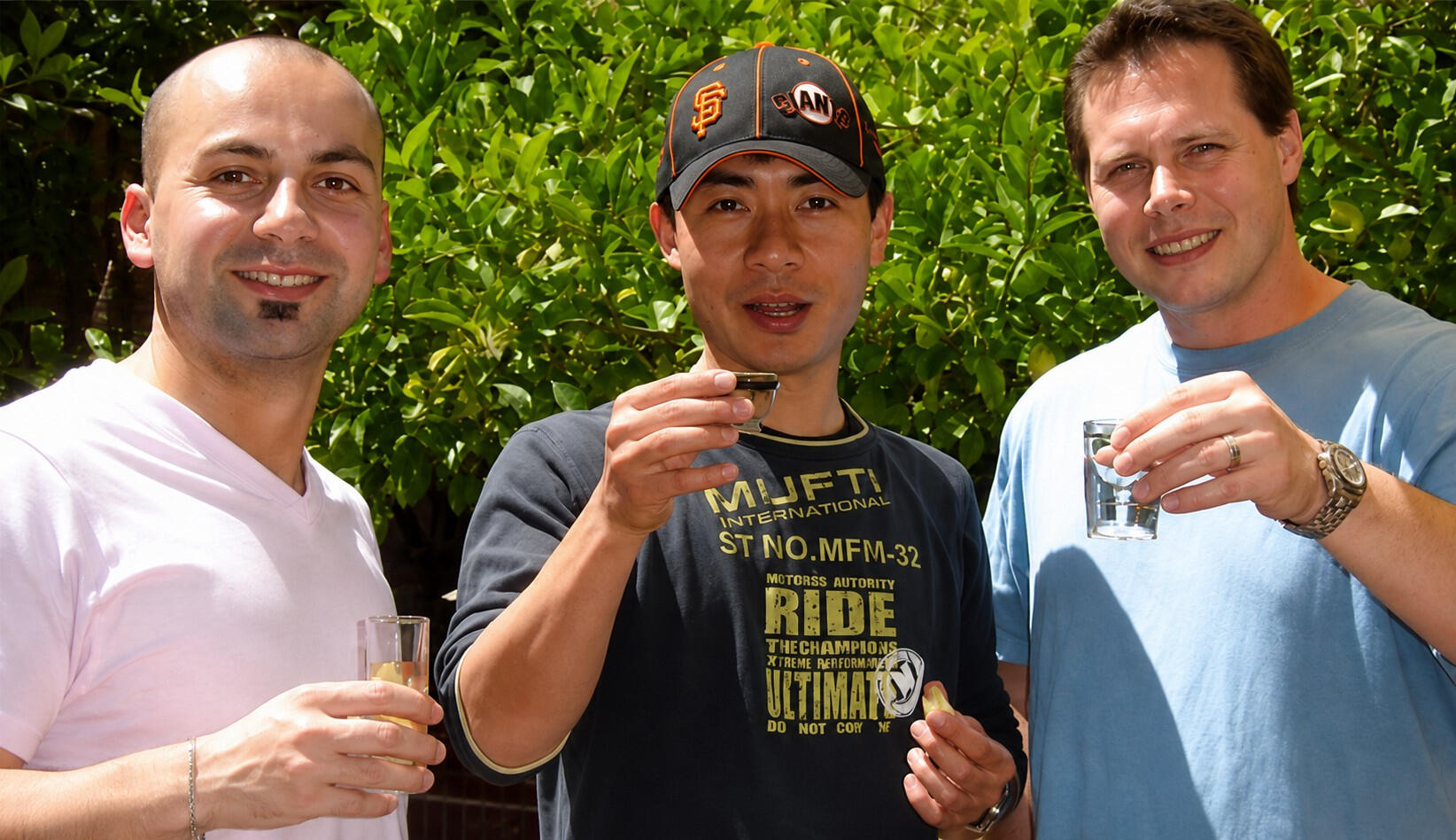
2004-2007. My PhD combined clinical training in Oral Medicine with laboratory-based research. Clinically, I specialised in oral immunopathology through rotations in Naples (Prof. Gombos), Palermo (Prof. Campisi), Florence (Prof. Ficarra), and San Francisco at UCSF with Prof. Francina Lozada-Nur.In parallel, I carried out experimental research at the University of Naples in the Laboratories of Experimental Medicine and Experimental Pathology, working with Prof. Claudio Napoli in close collaboration with Nobel Laureate Prof. Louis J. Ignarro. This provided extensive training in kinase signalling, high-throughput methodologies, and oxidative stress research.At UCSF I joined Prof. Randall Kramer's laboratory to investigate the role of cell–cell adhesion in oral cancer progression.
The photograph above was taken in the San Francisco Bay Area with my lab colleagues during a gathering hosted by Prof. Kramer.
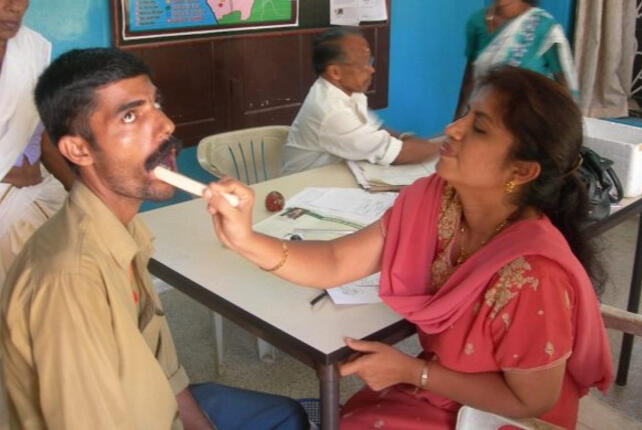
2008. Early in my postdoctoral career, I was a strong advocate of oral cancer screening and early detection. This led me to participate in community-based screening programmes in rural India and, years later, in Indonesia. The photograph was taken during one of these programmes in rural Kerala and shows Prof. Gigi Thomas conducting an oral cancer screening examination.
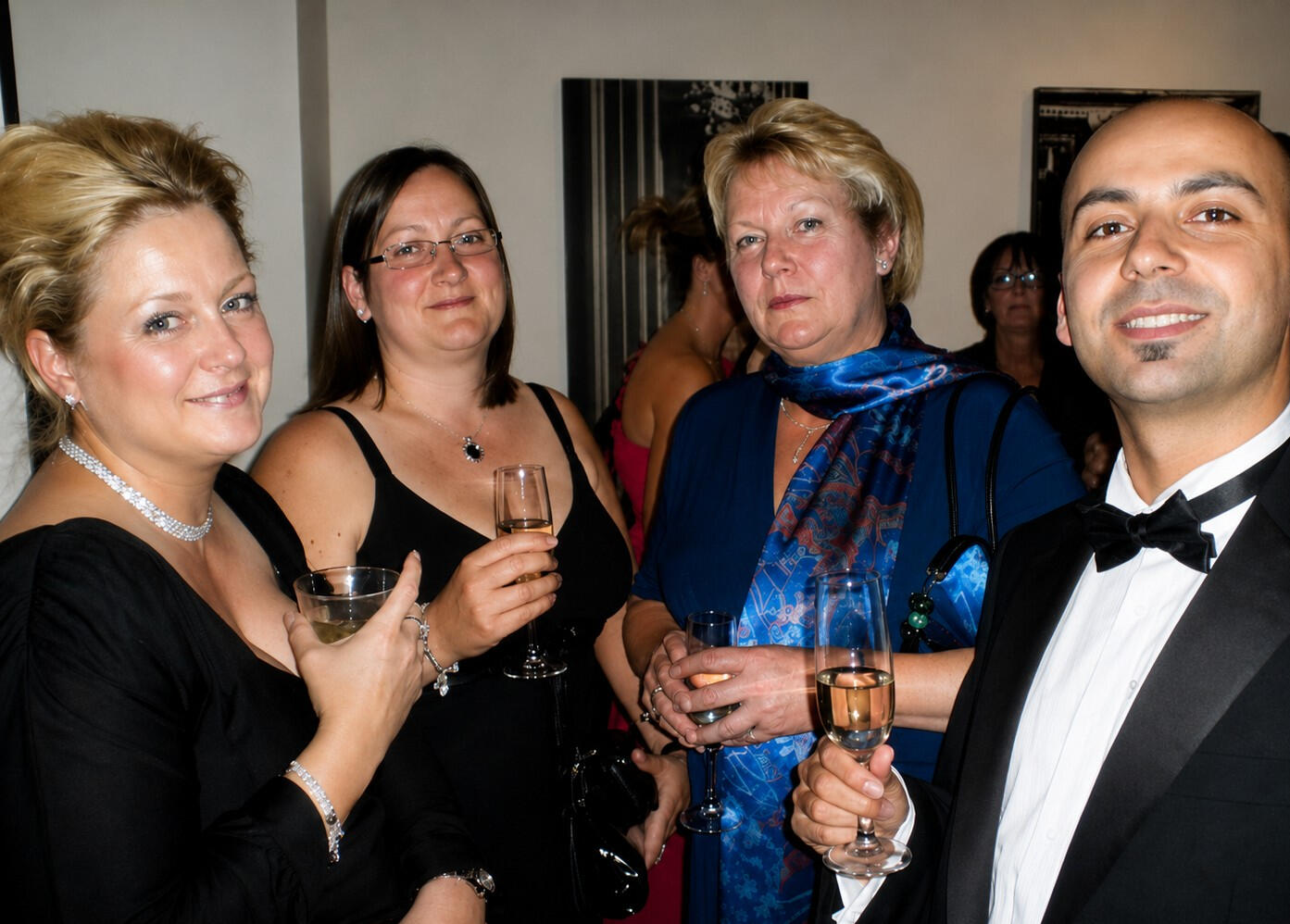
2008-2012. As a Clinical Lecturer in Oral Medicine at the University of Bristol, I worked alongside leading figures in oral medicine and pathology, including Stephen Prime, Crispian Scully, and John Eveson. At Bristol Dental Hospital, I provided specialist care for patients with complex oral diseases, with particular responsibility for the management of oral autoimmune disorders.Alongside my clinical work, my research focused on cell–cell adhesion and its role in cancer biology. During this time, I made two key contributions: the discovery of the oral glucocorticoid system, demonstrating that oral keratinocytes can synthesise and metabolise cortisol; and the first description of the desmosomal adhesome, defining the system-level interactome underlying desmosomal adhesion.This was my first academic appointment and my introduction to British culture. The photo was taken at the final-year student dinner in 2008.
2010s - BUILDING
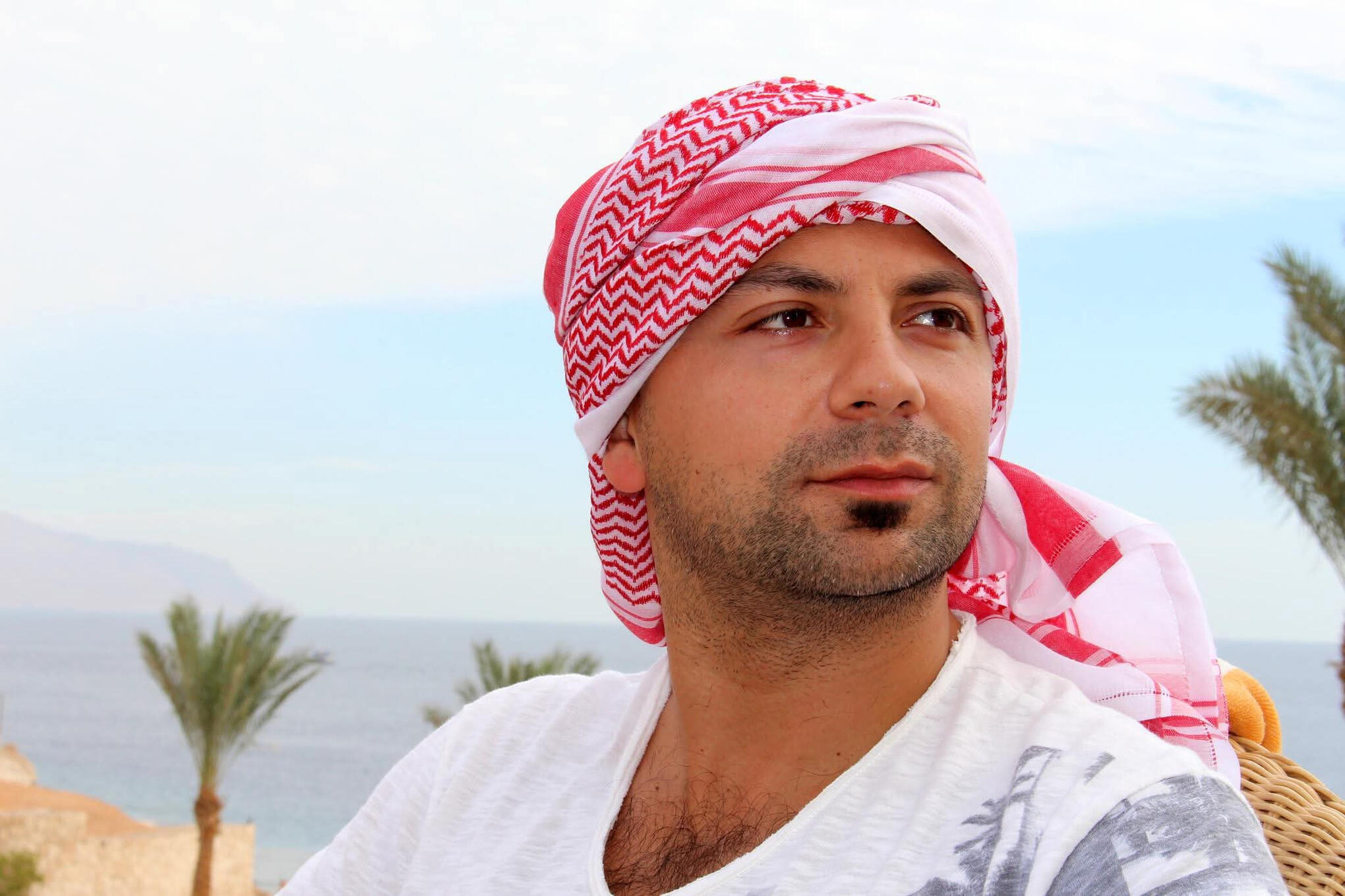
2012. Early in 2012 I moved to Dammam after accepting a position of Associate Professor and Consultant at the University of Dammam (now IAU). This year in Saudi Arabia was one of the most inspiring periods in my life. During my time in Dammam, I developed CREATING, a strategic framework for biomedical higher education in Saudi Arabia. The initiative emerged from a collaborative effort and has inspired subsequent reforms in academic dentistry at the university and beyond.
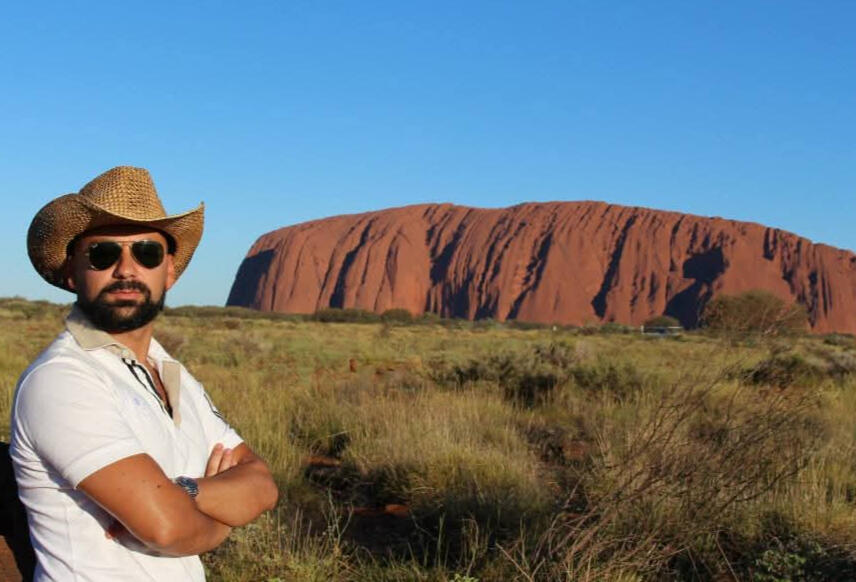
2012-2025. Soon afterwards, an opportunity that had been taking shape for some time finally materialised, and I relocated to Australia in late 2012. I was fortunate to spend more than a decade at the University of Melbourne—consistently ranked among the world's leading universities—and to live in Melbourne, recognised as the world's most liveable city for seven years in a row.As a senior academic, I developed a new Dental Medicine course and Research Project programme for the Doctor of Dental Surgery (DDS) programme, which went on to become one of its most successful components. During this time, I supervised eight PhD students to completion, all of whom received prizes and awards during their candidature. Many have since gone on to become leaders in academia and clinical practice.My research also expanded internationally. I supervised Indonesia's first oral cancer screening initiative and became a strong advocate for strengthening oral medicine competencies among general dental practitioners. Scientifically, my work led to the development of a novel therapy for the prevention of cancer treatment-induced mucositis and to the characterisation of the cancer-associated glucocorticoid system.
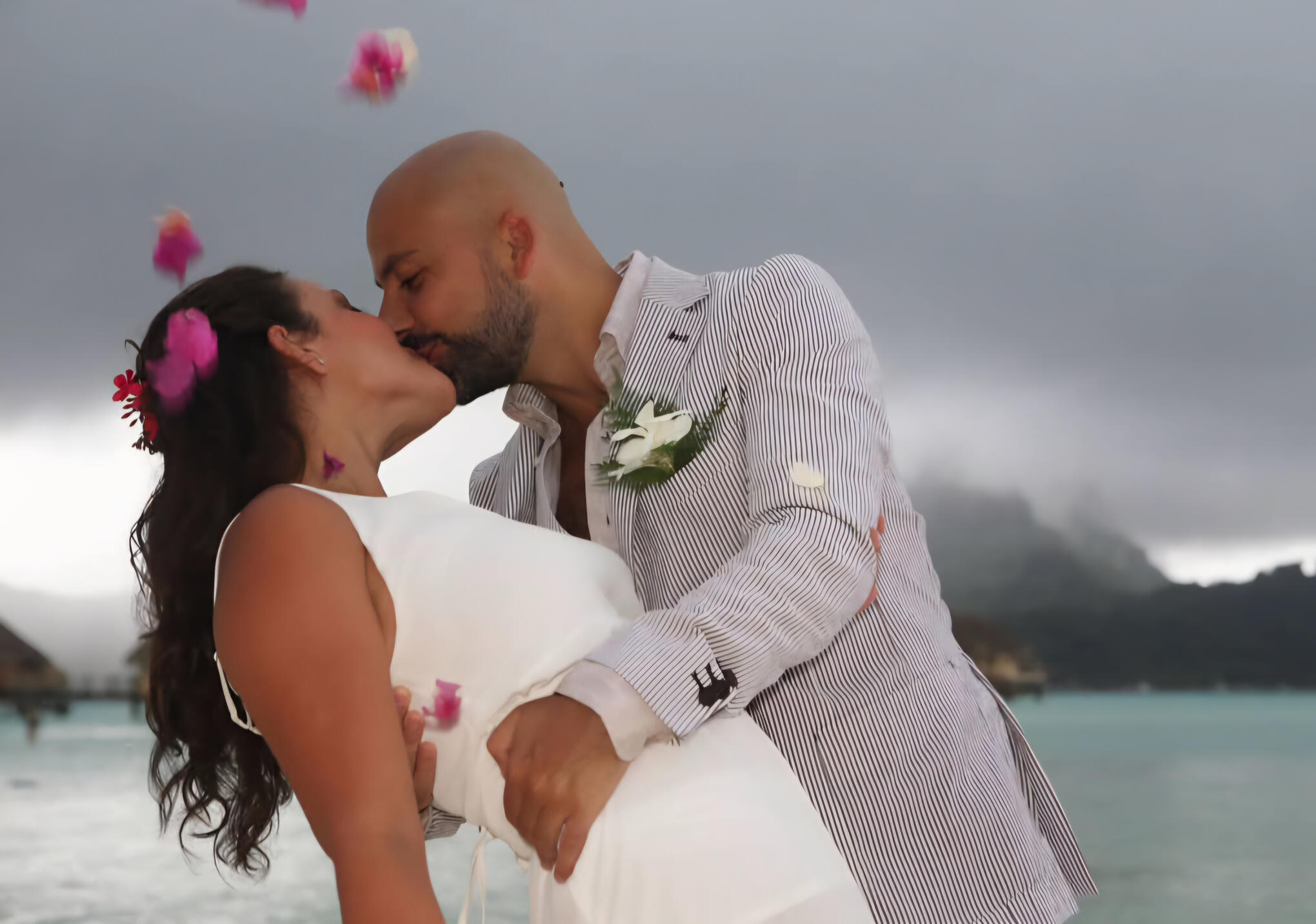
2015-current. This decade was arguably the most important of my life. Francesca and I got engaged and married, and travelled extensively together. Ultimately, we decided to settle in Italy, prompting me to embark on a new phase of professional development that would allow me to work more flexibly. In my hometown of Caposele, I was deeply honoured to receive the 2016 Premio Caposele (Citizen of the Year Award). This photo was taken during our beach wedding in Bora Bora, French Polynesia.
2020s - LEADING
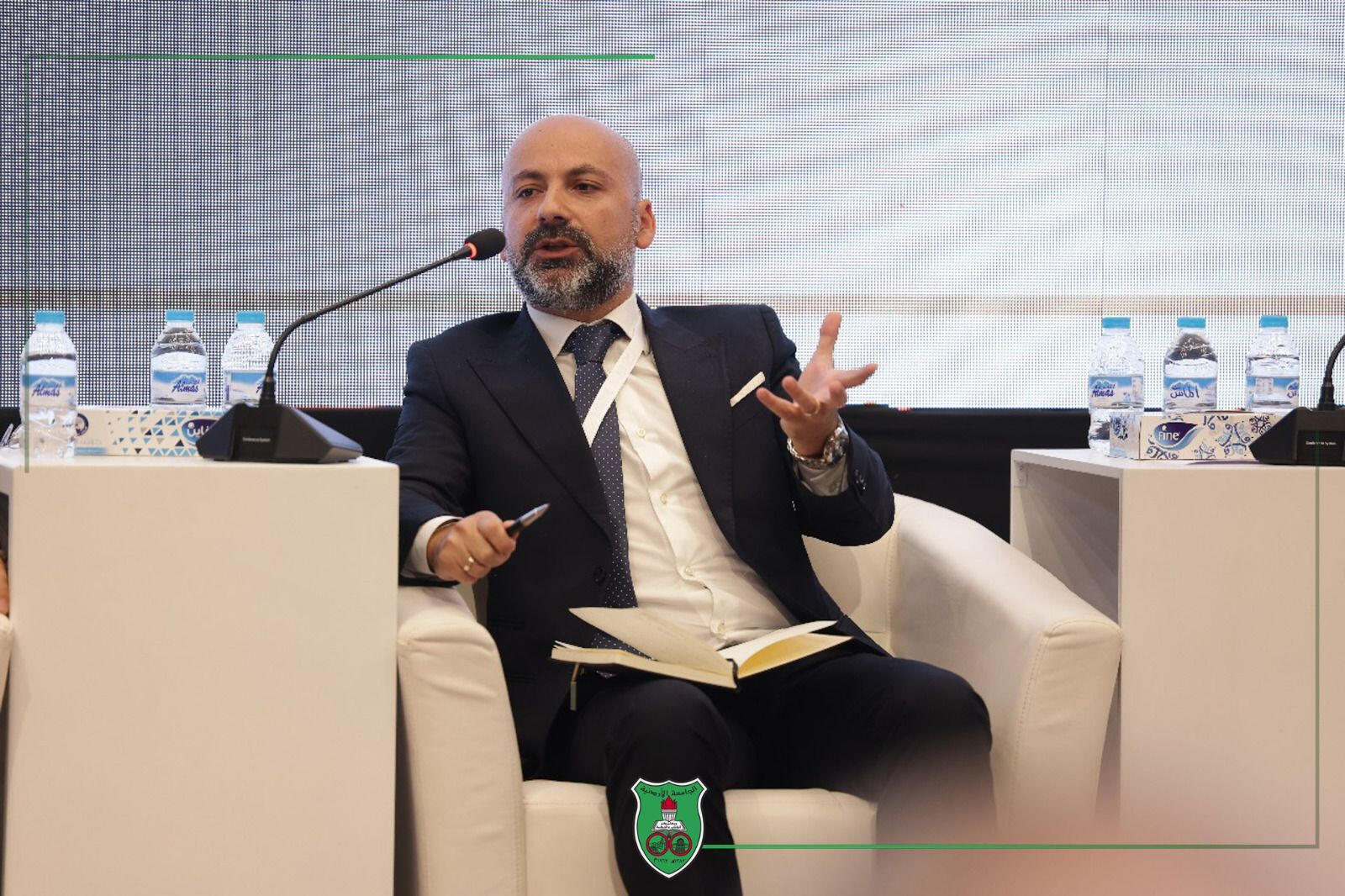
2021-current. During the COVID-19 pandemic, I developed a strong interest in epidemiology and the study of drug-related adverse effects. This period also prompted me to reflect more broadly on the gap between clinical practice and population-level evidence, as well as on the psychological dimensions of health and disease—interests that have shaped the next stage of my career.As these interests evolved, I reduced my appointment at the University of Melbourne and increasingly took on international leadership, editorial, and advisory roles. I became a recognised reference in the field of oral and maxillofacial manifestations of COVID-19 vaccination, contributing invited commentaries and reviews, including for The Lancet Infectious Diseases. I also served as Editor and Associate Editor for several international journals, External Examiner at University College London, the International Islamic University Malaysia, and the University of Jordan, and was later appointed Honorary Professor at the University of Jordan. In the photo above, I am serving as a panellist at the 2nd Honorary Professors' Forum in Amman.At the same time, I began working more closely with industry, applying research evidence to innovation and product development. This eventually led to my appointment as Head of Research for CoTreat, an Australian MedTech company.
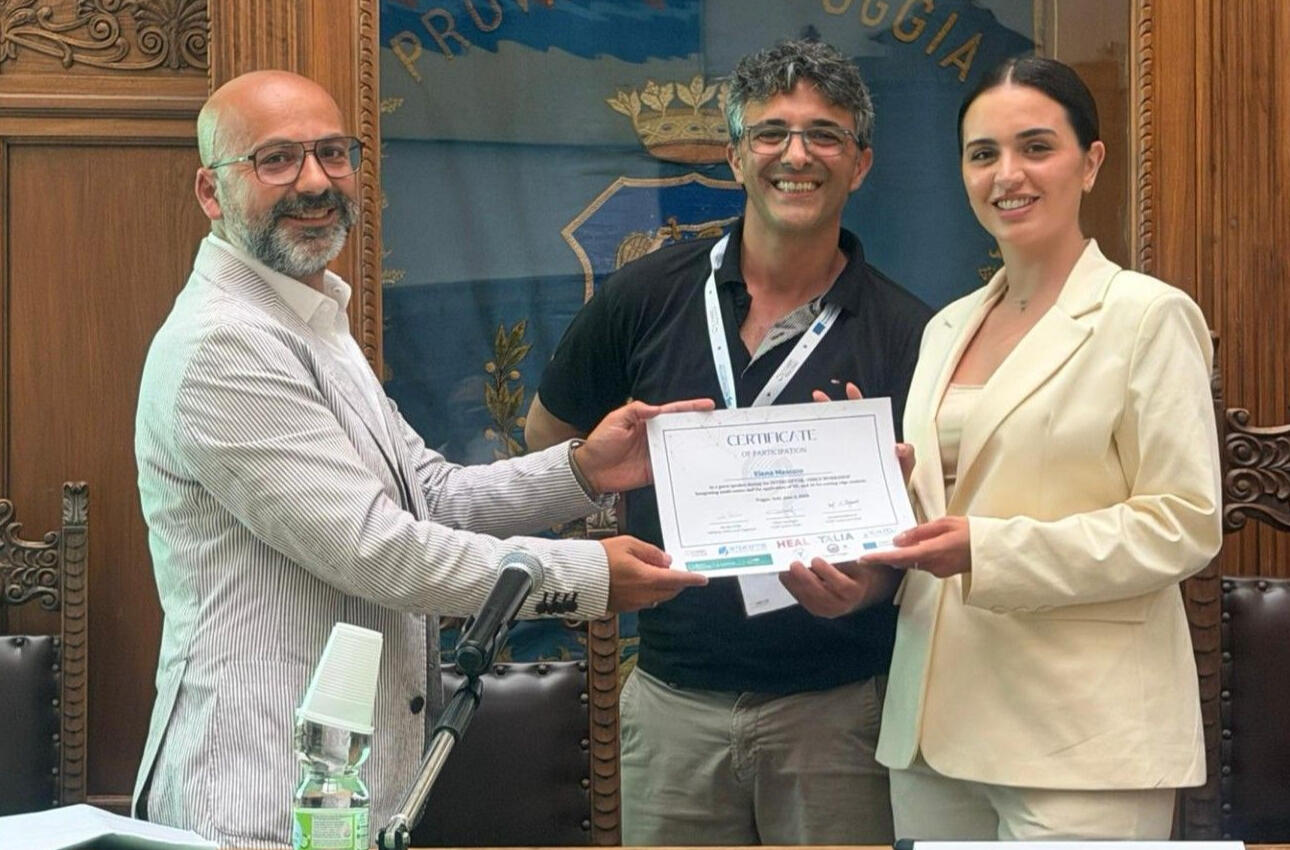
2025-current. More recently, I returned to Italy under the country's "Rientro dei Cervelli" (Return of Researchers) programme as Professor of Advanced Medical Sciences at the University of Foggia. There, I am leading the development of a new centre of excellence in dentistry while helping to train the next generation of clinicians and researchers. At the same time, I continue to provide strategic advice and hold academic appointments at universities around the world. This photo was taken at a recent SCALPEL/OPMDay congress where I was one of the local organisers.
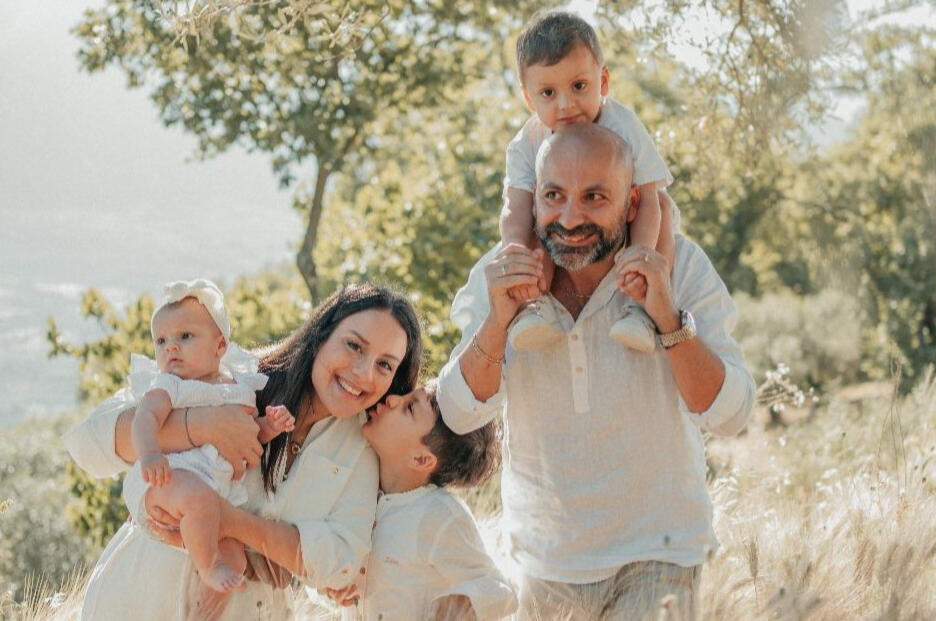
Always. Amid all of this, my greatest aspiration is to be a full-time parent to my three children. While my career has taken me across countries and disciplines, family has always remained my compass. Every important decision I have made has ultimately been driven by what is best for them.
MY WORK
Education. Innovation. Impact.
Clinician-scientist and epidemiologist by training, academic strategist by vocation, I have held senior appointments at leading universities across the UK, Australia, Saudi Arabia, and Italy. I have attracted over 2mln research funding and authored more than 200 peer-reviewed publications and four specialist books, directed digital health start-ups, and developed strategic programmes for higher education. My focus is simple: translating knowledge into practical solutions with real-world impact.
ACADEMIC LEADERSHIP
RESEARCH
VENTURES
MY BOOKS
Basic science
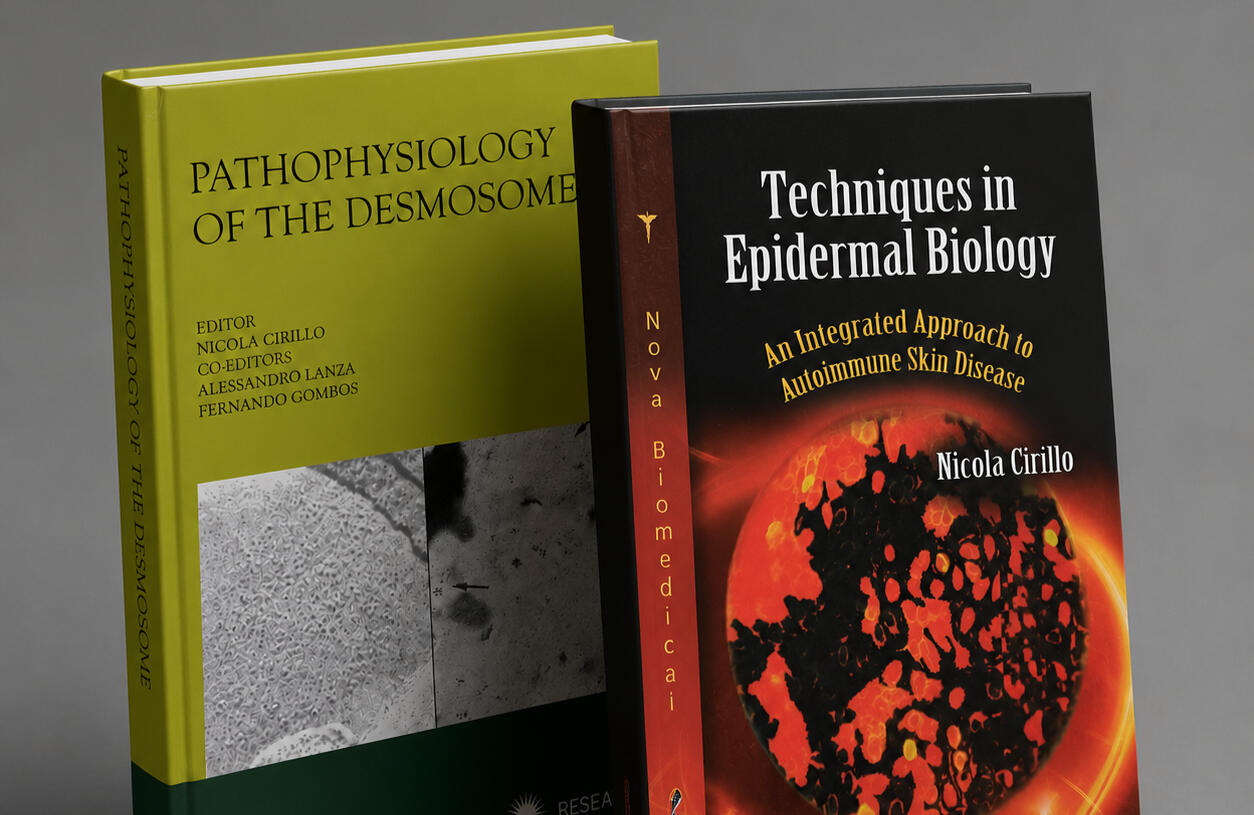
My first books were for ultra-specialist audience. Pathophysiology of the Desmosome featured some of the word's most renowned researchers in cell-cell adhesion from the US, Japan, UK, Germany, France, and Italy. The monograph Techniques in Epidermal Biology published a collection of original research showcasing experimental techniques for the study of epithelial biology.
Clinical science
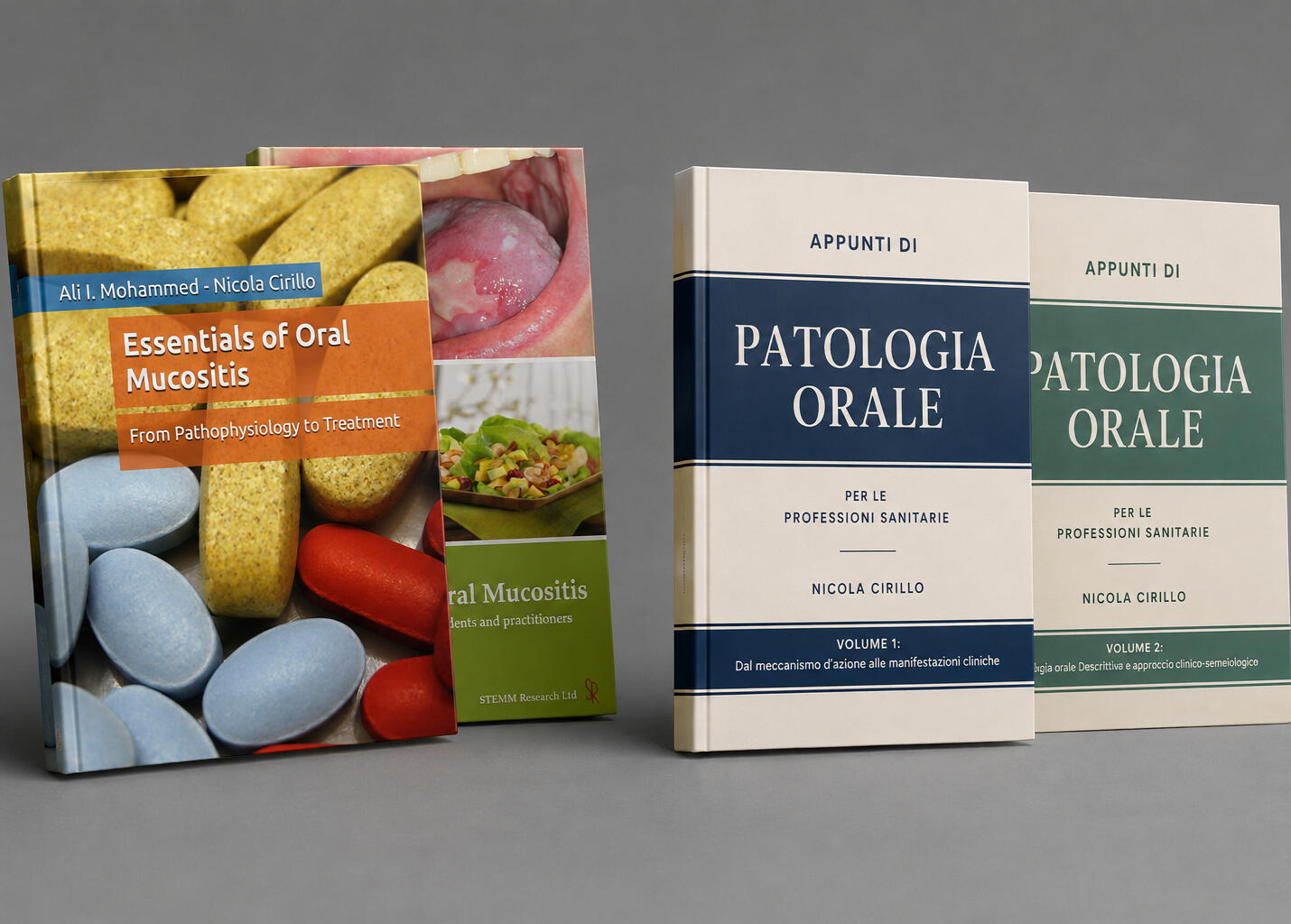
My first clinical textbook focused on cancer treatment–induced oral mucositis, and its second edition has now been published. My new textbook, Notes in Clinical Oral Pathology, is scheduled for release in late 2026 both in Italian and English.
Pop science
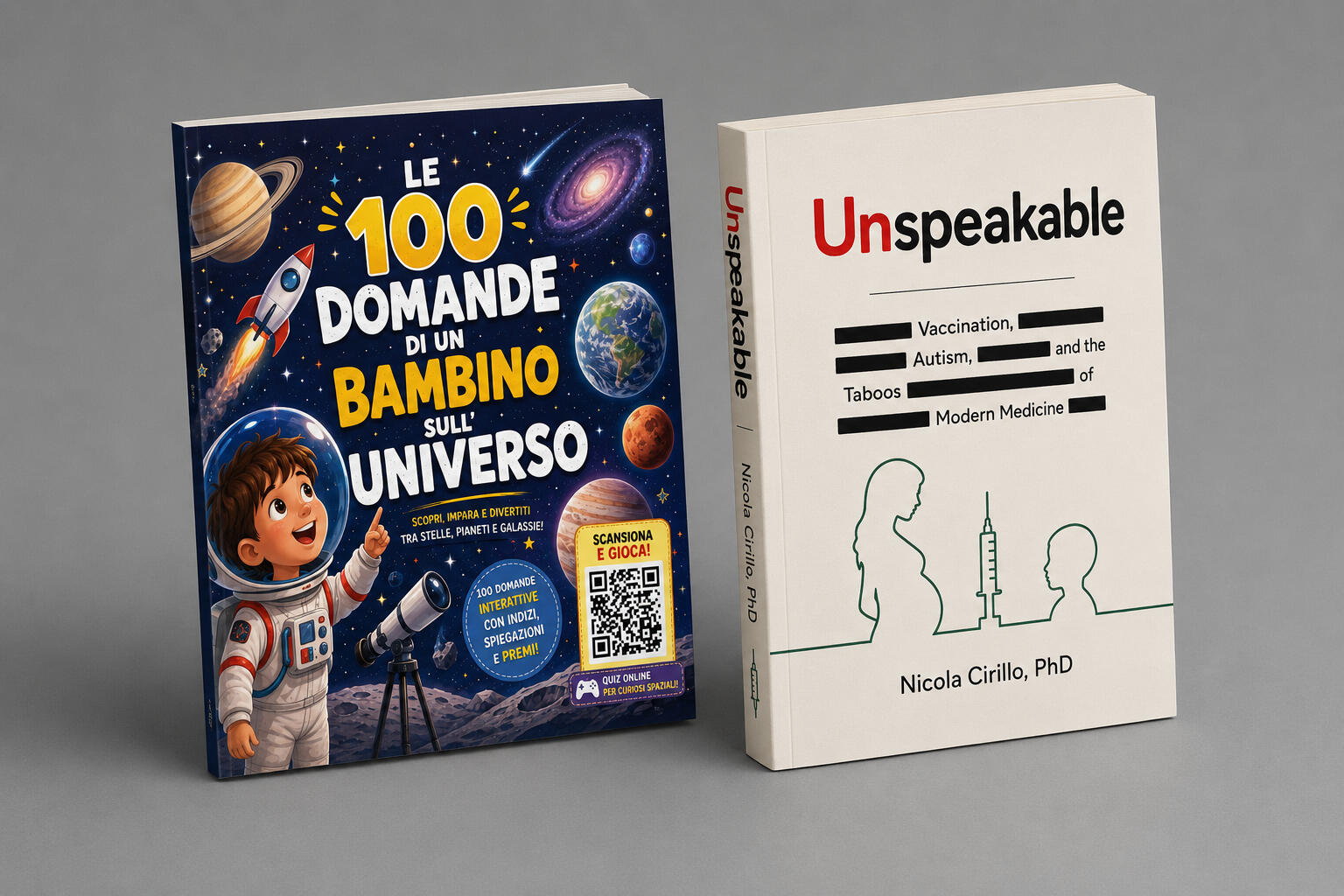
One of my proudest achievements has been co-authoring a children's book with my son, Gerard. To learn more, visit gerardcirillo.carrd.co. My first popular science book, Unspeakable, is inspired by the scientific method and offers a critique of the censorship imposed by the system. It will be published in late 2026.
MY CONTACT
Writing and Speaking
I am frequently invited to speak at scientific congresses, participate in interviews and seminars, and contribute op-eds and articles. While I must decline most requests due to time constraints and family commitments, I am always open to considering invitations on topics of strong mutual interest.
Australia's Dental Divide
By visiting NicolaCirillo.com, you are consenting to our privacy policy.A. Privacy PolicyLast updated: 2 August 20261. IntroductionThis Privacy Policy explains how personal information is collected, used and protected when you visit NicolaCirillo.com (the “Site”) or contact Nicola Cirillo through the Site.The data controller is Nicola Cirillo, based in Foggia, Italy. For any privacy-related enquiry, you may use the contact form available on the Site.This Site is primarily intended to provide information about Nicola Cirillo’s academic, professional, research and publishing activities.2. Information We Collect
Information you provideIf you contact us through the Site, we may collect the information you voluntarily provide, including:your name;
your email address;
the content of your message; and
any other information you choose to include.Please do not submit sensitive personal information, including medical or health information, through the contact form.Technical informationWhen you visit the Site, certain technical information may be processed automatically by the website hosting and infrastructure providers. This may include:your IP address;
browser and device type;
operating system;
date and time of access;
pages visited; and
technical logs required for security and website operation.
3. How We Use Your InformationPersonal information may be processed for the following purposes:to respond to enquiries and messages;
to maintain, operate and secure the Site;
to prevent misuse, fraud or technical problems;
to comply with applicable legal obligations; and
to establish, exercise or defend legal claims where necessary.The legal basis for responding to enquiries is our legitimate interest in communicating with Site visitors or, where applicable, taking steps at your request before entering into an agreement.Technical data required to operate and protect the Site is processed on the basis of our legitimate interest in maintaining a functional and secure website.We do not use personal information for automated decision-making or profiling.4. CookiesThe Site does not intentionally use advertising or profiling cookies.The website platform and its infrastructure providers may use cookies or similar technologies that are strictly necessary for the operation, security and delivery of the Site.You can configure your browser to block or delete cookies. However, blocking strictly necessary cookies may affect the operation of certain website features.5. Website Hosting and Service ProvidersThe Site is created and hosted using Carrd, a website-building and hosting service operated by Carrd Inc.Carrd and other technical service providers may process limited technical information on our behalf to host, deliver, protect and maintain the Site. Information about Carrd’s own data practices is available at:https://carrd.co/docs/general/privacyIf you submit a contact form, your information may also be processed by Carrd and by the relevant email or form-delivery provider solely to transmit and store your message.These providers may process information outside the European Economic Area. Where required by applicable law, international transfers are subject to appropriate safeguards.6. Sharing of Personal InformationWe do not sell, rent or trade your personal information.Information may be shared only:with service providers that support the operation, hosting or security of the Site;
where necessary to respond to your request;
where required by law, regulation, court order or a competent authority; or
where necessary to protect our legal rights or the rights and safety of others.Service providers are permitted to process personal information only for the purposes for which it has been provided and in accordance with applicable data-protection requirements.7. External LinksThe Site may contain links to external websites and platforms, including publishers, book retailers, universities, journals and social-media services.When you follow an external link, the third party may collect and process information in accordance with its own privacy policy. NicolaCirillo.com is not responsible for the privacy practices, security or content of external websites.Purchases made through external book retailers or other third-party platforms are processed directly by those providers. NicolaCirillo.com does not receive or store payment-card information.8. Data RetentionMessages and contact details will be retained only for as long as reasonably necessary to respond to your enquiry and manage any related correspondence. Routine correspondence will generally be deleted or reviewed within 24 months, unless a longer period is required by law or is necessary for the establishment, exercise or defence of legal claims.Technical information is retained in accordance with the retention periods applied by the relevant hosting and infrastructure providers.9. Data SecurityReasonable technical and organisational measures are used to protect personal information against unauthorised access, alteration, disclosure or loss.However, no method of electronic transmission or storage can be guaranteed to be completely secure.10. Children’s PrivacyThe Site is not designed to collect personal information from children. If you believe that a child has submitted personal information through the Site without appropriate authorisation, please contact us so that the information can be reviewed and, where appropriate, deleted.11. Your RightsUnder the General Data Protection Regulation and other applicable data-protection laws, you may have the right to:obtain confirmation that your personal information is being processed;
request access to your personal information;
request correction of inaccurate or incomplete information;
request deletion of your personal information;
request restriction of processing;
object to processing based on legitimate interests;
receive certain information in a portable format, where applicable; and
withdraw consent at any time where processing is based on consent.To exercise any of these rights, please contact Nicola Cirillo using the contact form on the Site.You also have the right to lodge a complaint with the Italian Data Protection Authority:Garante per la protezione dei dati personali
https://www.garanteprivacy.it12. Changes to This Privacy PolicyThis Privacy Policy may be updated periodically to reflect changes to the Site, its services or applicable legal requirements.The latest version will always be published on this page together with its effective date.13. ContactFor questions concerning this Privacy Policy or the processing of your personal information, please contact:Nicola Cirillo
Via Rovelli 48
71100 Foggia, ItalyB. Medical and scientific disclaimerMedical Disclaimer
The information provided on this website is for educational and informational purposes only. It does not constitute medical advice, diagnosis or treatment and should not replace consultation with an appropriately qualified healthcare professional.Scientific and professional views expressed on this website are personal and do not necessarily represent those of Nicola Cirillo’s affiliated institutions or organisations.C. Terms of UseThe content of NicolaCirillo.com is provided for general informational and educational purposes. While reasonable efforts are made to ensure accuracy, no guarantee is made that all information is complete, current or error-free.Content may not be reproduced, distributed or commercially used without prior written permission, except where permitted by law.The Site may contain links to third-party websites. NicolaCirillo.com does not control and is not responsible for their content, availability or privacy practices.